Mon Prof Augmenté
Ice Crystals in a Cold Cloud
Age 15 · Nature

Inside freezing clouds, water vapor turns directly into ice on tiny dust specks. The crystal’s shape changes with the surrounding temperature and humidity.
This picture is part of the full library
Every lesson is open to everyone for 7 days after it is published. This one came out on September 24, 2026: its text stays readable here, and its picture opens with a subscription.
The app is free. A subscription opens every lesson, in every school year.
Age 15: open this week
Browse Age 15
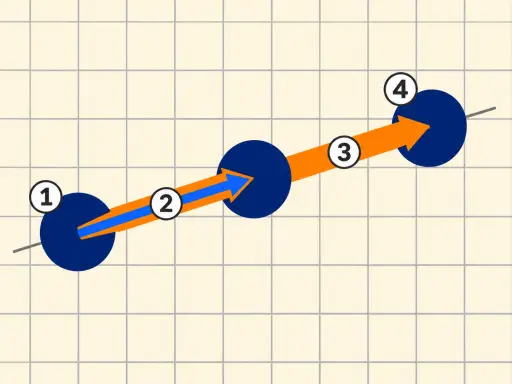
In the picture
- Dust speck: a tiny solid particle where an ice crystal begins.
- Broad plate crystal: a flat six-sided ice crystal.
- Six-armed star crystal: a branched ice crystal with six arms.
- Slender column crystal: a narrow six-sided ice column.
- Drifting water vapor: invisible water molecules moving through the cold cloud air.
Examples
- Frost on a car window
- Snowflakes landing on a dark coat sleeve
Key takeaways
- Snow crystals form from water vapor freezing onto dust in clouds.
- Temperature and humidity decide whether crystals become plates, stars, or columns.
Quiz: Ice Crystals in a Cold Cloud (Age 15)
-
How do snow crystals begin to form inside cold clouds?
-
What decides whether an ice crystal grows into a plate, a star, or a column?
-
What is a dust speck in the formation of an ice crystal?
The answers, each with its explanation, are in the app. This lesson has left the free week, so its quiz is part of the subscription.
Free app, optional subscription
App Store Google Play
Carry on in the app
At least one new illustrated lesson every weekday for your child’s year, with its quiz and a reminder at 6:15 pm.
Your child’s teacher does not use My Enhanced Teacher yet?
Tell them about it