Mon Prof Augmenté
Sugar in water
Age 11 · Chemistry

When sugar dissolves in water, it seems to vanish, but all of its mass is still there. If you add too much, some stays at the bottom, and if the water evaporates, the sugar crystals come back.
This picture is part of the full library
Every lesson is open to everyone for 7 days after it is published. This one came out on November 5, 2026: its text stays readable here, and its picture opens with a subscription.
The app is free. A subscription opens every lesson, in every school year.
Age 11: open this week
Browse Age 11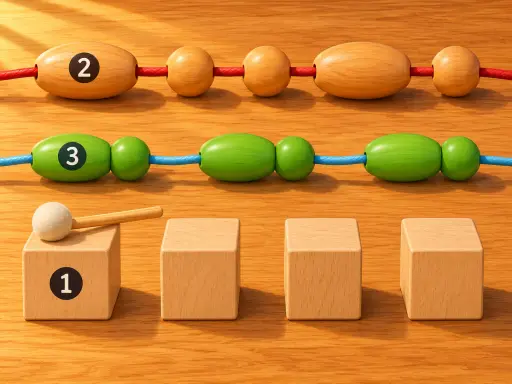
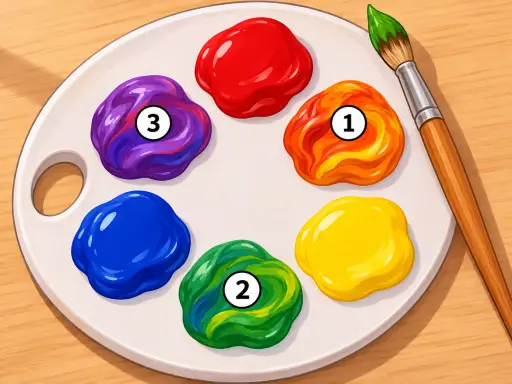
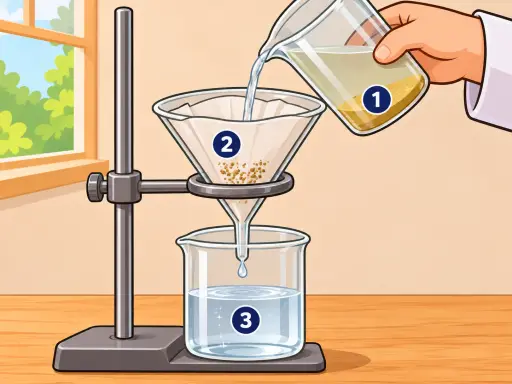
In the picture
- Sugar and water together: the total mass stays the same after dissolving
- A saturated solution: extra sugar can no longer dissolve and stays at the bottom
- Crystals left after evaporation: the dissolved sugar is recovered
Examples
- Stirring sugar into tea until it disappears
- Salt left behind on a dry beach rock after seawater evaporates
Key takeaways
- Dissolving does not make matter disappear: the mass is conserved.
- Water can only dissolve so much solid before it is saturated.
Quiz: Sugar in water (Age 11)
-
After sugar dissolves in water, how does the mass of the sugar water compare with the mass of the sugar and water before mixing?
-
You keep adding sugar to a glass of water and stirring. At some point sugar stays at the bottom. What does this mean?
-
You leave a dish of sugar water until all the water has evaporated. What is left in the dish?
The answers, each with its explanation, are in the app. This lesson has left the free week, so its quiz is part of the subscription.
Free app, optional subscription
App Store Google Play
Carry on in the app
At least one new illustrated lesson every weekday for your child’s year, with its quiz and a reminder at 6:15 pm.
Your child’s teacher does not use My Enhanced Teacher yet?
Tell them about it