Mon Prof Augmenté
Chromosome Pairs
Age 15 · Biology

Most human cells contain 46 chromosomes arranged in 23 pairs. An extra copy of one chromosome causes a condition such as trisomy 21.
This picture is part of the full library
Every lesson is open to everyone for 7 days after it is published. This one came out on October 3, 2026: its text stays readable here, and its picture opens with a subscription.
The app is free. A subscription opens every lesson, in every school year.
Age 15: open this week
Browse Age 15
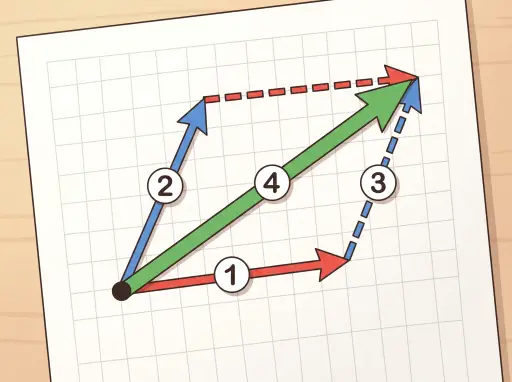

In the picture
- A rounded cell membrane enclosing rod-shaped bodies.
- Two similar rod-shaped chromosomes lying side by side as one pair.
- Three similar rod-shaped chromosomes lying side by side, showing an extra copy.
Examples
- A set of 23 pairs of shoes, with one pair having a third shoe.
- A card deck sorted into pairs, where one card is duplicated.
Key takeaways
- Most human cells have 46 chromosomes, or 23 pairs.
- Trisomy 21 happens when chromosome 21 has an extra copy.
Quiz: Chromosome Pairs (Age 15)
-
How many chromosomes do most human cells have?
-
How are the 46 chromosomes arranged in most human cells?
-
What causes trisomy 21?
The answers, each with its explanation, are in the app. This lesson has left the free week, so its quiz is part of the subscription.
Free app, optional subscription
App Store Google Play
Carry on in the app
At least one new illustrated lesson every weekday for your child’s year, with its quiz and a reminder at 6:15 pm.
Your child’s teacher does not use My Enhanced Teacher yet?
Tell them about it