Mon Prof Augmenté
Gas Exchange in the Alveoli
Age 14 · Biology

Deep in your lungs, millions of tiny air sacs called alveoli are wrapped in thin blood vessels. Oxygen moves from the air into your blood, and carbon dioxide moves from your blood into the air you breathe out.
This picture is part of the full library
Every lesson is open to everyone for 7 days after it is published. This one came out on October 27, 2026: its text stays readable here, and its picture opens with a subscription.
The app is free. A subscription opens every lesson, in every school year.

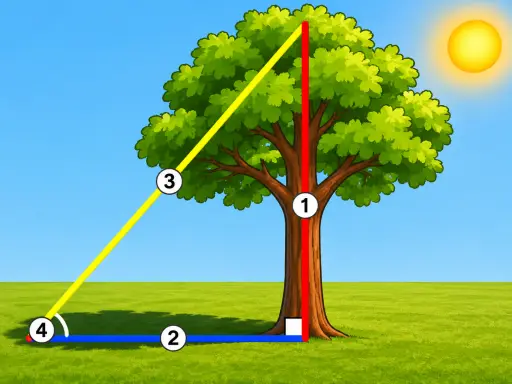

In the picture
- Alveolus: a tiny air sac with a wall only one cell thick
- Capillary: a thin blood vessel that turns from oxygen-poor to oxygen-rich
- Oxygen: diffuses from the air in the alveolus into the blood
- Carbon dioxide: diffuses from the blood into the alveolus to be breathed out
Examples
- When you run, you breathe faster so more fresh air reaches your alveoli and more oxygen gets into your blood.
- Fogging up a cold window with your breath shows the warm, moist air your lungs push out, which carries carbon dioxide.
Key takeaways
- Gases move by diffusion, from where there is more of them to where there is less.
- Thin walls and a huge surface area make gas exchange fast.
Quiz: Gas Exchange in the Alveoli (Age 14)
-
During gas exchange in the lungs, which way does oxygen move?
-
Carbon dioxide moves from the blood into the alveoli. Why does it move in that direction?
-
What makes gas exchange in the lungs fast?
The answers, each with its explanation, are in the app. This lesson has left the free week, so its quiz is part of the subscription.
Free app, optional subscription
App Store Google Play
Carry on in the app
At least one new illustrated lesson every weekday for your child’s year, with its quiz and a reminder at 6:15 pm.
Your child’s teacher does not use My Enhanced Teacher yet?
Tell them about it