Mon Prof Augmenté
Bird Banking in Flight
Age 13 · Animals
A bird tilts and curves through the air with its tail spread wide. Its wings bend at two joints so it can change direction, adjust speed, and slow before landing.
This picture is part of the full library
Every lesson is open to everyone for 7 days after it is published. This one came out on September 21, 2026: its text stays readable here, and its picture opens with a subscription.
The app is free. A subscription opens every lesson, in every school year.
Age 13: open this week
Browse Age 13
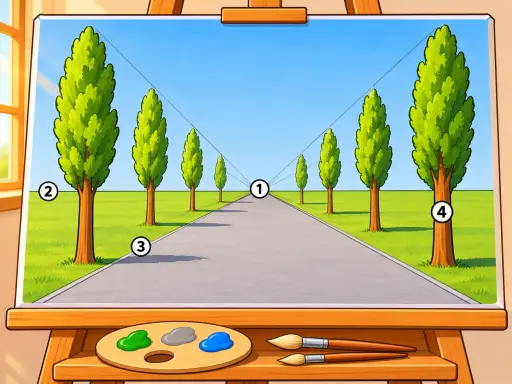
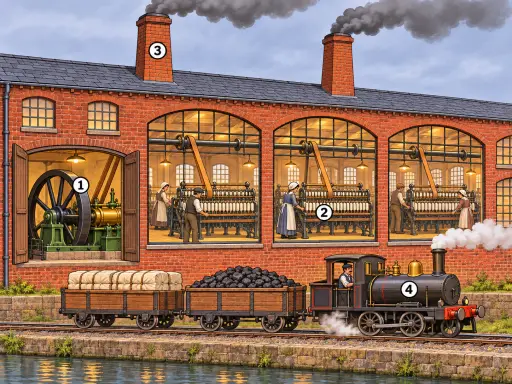
In the picture
- Fanned tail feathers: spread wide to create drag and help the bird brake.
- Elbow joint: bends to reshape the wing during a turn.
- Wrist joint: bends to twist the outer wing and adjust airflow.
- Wingtip feathers: separate to smooth airflow and control roll.
Examples
- A pigeon spreading its tail just before it lands on a ledge.
- A hawk bending its wings to curve after moving prey.
Key takeaways
- Birds steer by changing wing shape and tail spread.
- Jointed wings and tail feathers work together to control speed and landing.
Quiz: Bird Banking in Flight (Age 13)
-
According to the card, how does a bird steer?
-
What do the fanned tail feathers do when they are spread wide?
-
What do jointed wings and tail feathers work together to control?
The answers, each with its explanation, are in the app. This lesson has left the free week, so its quiz is part of the subscription.
Free app, optional subscription
App Store Google Play
Carry on in the app
At least one new illustrated lesson every weekday for your child’s year, with its quiz and a reminder at 6:15 pm.
Your child’s teacher does not use My Enhanced Teacher yet?
Tell them about it