Mon Prof Augmenté
Same Note, Different Timbre
Age 18 · Music

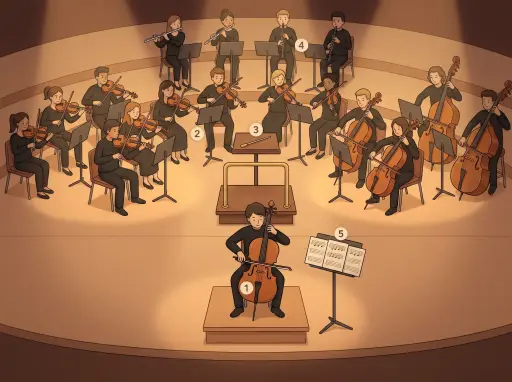
Instruments can play the same note at the same loudness and still sound different. The difference comes from the mix of harmonics and from how each note starts and fades.
This picture is part of the full library
Every lesson is open to everyone for 7 days after it is published. This one came out on October 6, 2026: its text stays readable here, and its picture opens with a subscription.
The app is free. A subscription opens every lesson, in every school year.
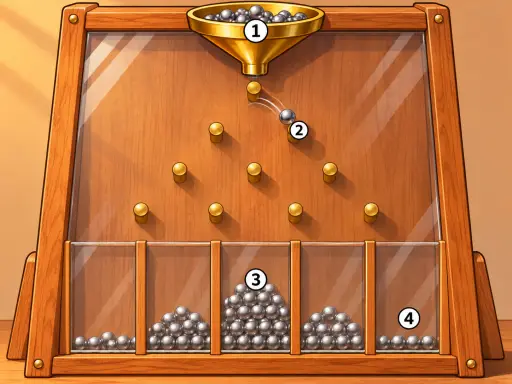
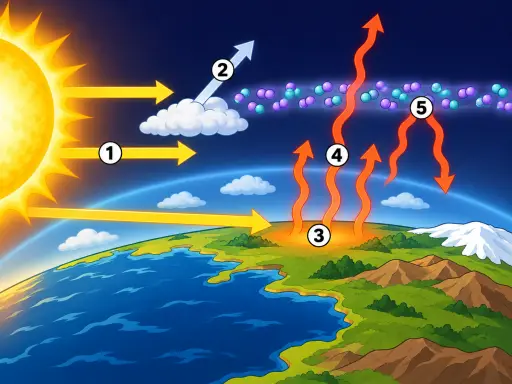
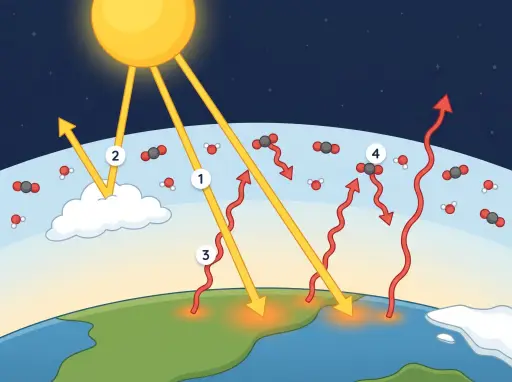
In the picture
- Jagged waveform outline: the harmonic mixture that colors a violin note.
- Steep rising front of the waveform: the attack that shapes the start of a trumpet note.
- Long fading tail of the waveform: the decay that shapes the end of a piano note.
Examples
- A violin and a flute playing the same tune sound different even at the same volume.
- A piano note and a trumpet note on the same pitch sound different because of their attack and harmonics.
Key takeaways
- Timbres differ because each instrument produces a different mix of harmonics.
- Attack and decay shape the start and end of a note, helping identify the instrument.
Quiz: Same Note, Different Timbre (Age 18)
-
A violin and a trumpet play the same note at the same loudness. Why can they still sound different?
-
What part of a note does the attack shape?
-
Besides its mix of harmonics, what helps you identify an instrument?
The answers, each with its explanation, are in the app. This lesson has left the free week, so its quiz is part of the subscription.
Free app, optional subscription
App Store Google Play
Carry on in the app
At least one new illustrated lesson every weekday for your child’s year, with its quiz and a reminder at 6:15 pm.
Your child’s teacher does not use My Enhanced Teacher yet?
Tell them about it