Mon Prof Augmenté
Salt in the ocean

Rivers carry dissolved minerals from weathered rock into the sea, and the water that evaporates leaves those salts behind. Some of them later settle onto the seafloor, which keeps the ocean’s saltiness roughly steady over long periods.
This picture is part of the full library
Every lesson is open to everyone for 7 days after it is published. This one came out on September 15, 2026: its text stays readable here, and its picture opens with a subscription.
The app is free. A subscription opens every lesson, in every school year.

In the picture
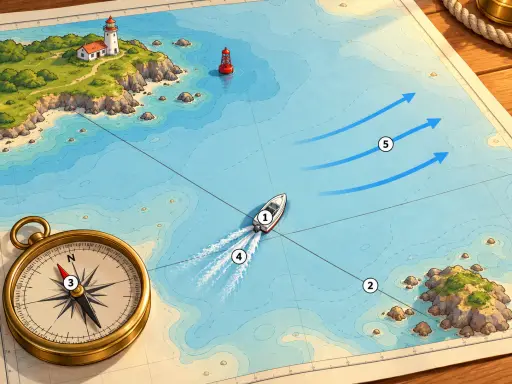
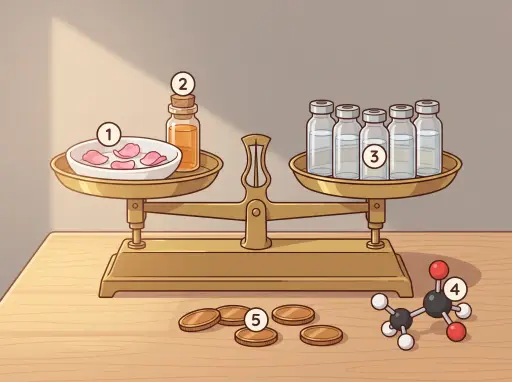
- Rain on bare rock: water loosening mineral grains from stone
- River mouth: dissolved minerals arriving in the sea
- Sea surface under the sun: water turning to vapour while salts stay behind
- Crystals on the seabed: salts settling out and leaving the water
Examples
- Salt left on a road after a puddle dries up
- A salt crust forming at the edge of a dried-out lake
Key takeaways
- The sea’s saltiness stays roughly steady because what enters and what is removed balance out.
- Most dissolved material reaches the ocean through rivers flowing from the land.
Carry on in the app
Three questions on this lesson. It has left the free week, so its quiz is for subscribers.
At least one new illustrated lesson every weekday for your child’s year, with its quiz and a reminder at 6:15 pm.
Get the app
Free app, optional subscription
App Store Google Play