Mon Prof Augmenté
Long Red Waves, Short Blue Waves
Age 15 · Physics
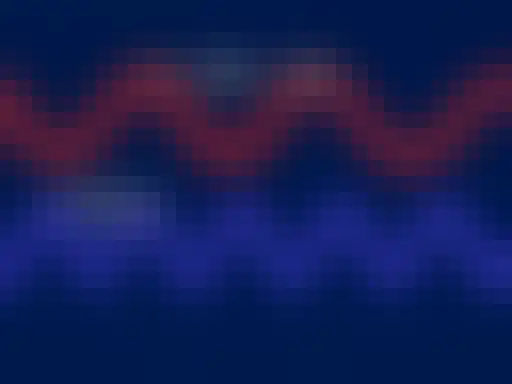
Light is an electromagnetic wave, and every colour has its own wavelength. Red light spreads over a longer wavelength, while blue and violet pack into a shorter one.
This picture is part of the full library
Every lesson is open to everyone for 7 days after it is published. This one came out on September 24, 2026: its text stays readable here, and its picture opens with a subscription.
The app is free. A subscription opens every lesson, in every school year.
Age 15: open this week
Browse Age 15
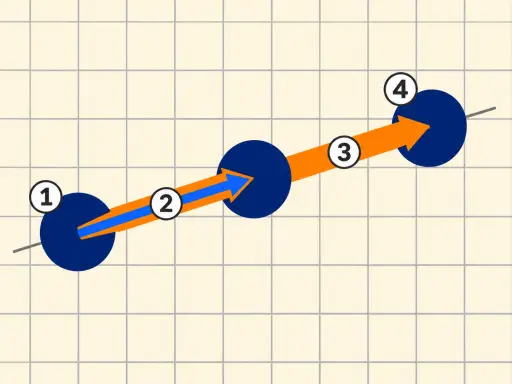
In the picture
- The gap between two red crests: one long wavelength
- The gap between two blue-violet crests: one short wavelength
- A crest of the red wave: the high point of a long, stretched cycle
- A crest of the blue-violet wave: a high point in a tightly packed cycle
Examples
- Sunlight spread by a prism into a rainbow, red at one end and violet at the other
- A red tail light and a blue LED glowing side by side
Key takeaways
- Wavelength sets the colour: long waves look red, short waves look blue or violet
- In a vacuum all colours travel at the same speed, so shorter wavelengths complete more cycles each second
Quiz: Long Red Waves, Short Blue Waves (Age 15)
-
According to the card, which colour has the longest wavelength?
-
What sets the colour of light?
-
In a vacuum, what is true about light of different colours?
The answers, each with its explanation, are in the app. This lesson has left the free week, so its quiz is part of the subscription.
Free app, optional subscription
App Store Google Play
Carry on in the app
At least one new illustrated lesson every weekday for your child’s year, with its quiz and a reminder at 6:15 pm.
Your child’s teacher does not use My Enhanced Teacher yet?
Tell them about it