Mon Prof Augmenté
Plant cells make food, animal cells take it in
Age 15 · Biology
Plant cells are autotrophic: their chloroplasts use light energy, carbon dioxide and water to build sugars by photosynthesis. Animal cells are heterotrophic: they must take in organic matter made by other living things, then break it down in their mitochondria to release energy.
This picture is part of the full library
Every lesson is open to everyone for 7 days after it is published. This one came out on November 12, 2026: its text stays readable here, and its picture opens with a subscription.
The app is free. A subscription opens every lesson, in every school year.
Age 15: open this week
Browse Age 15
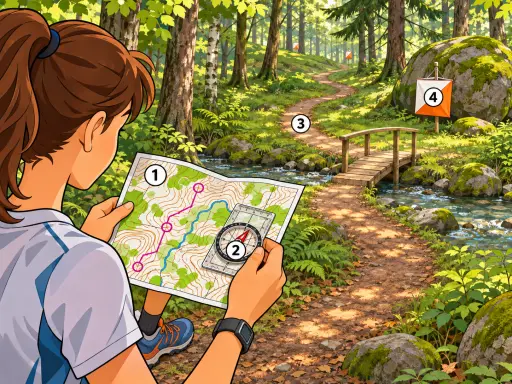
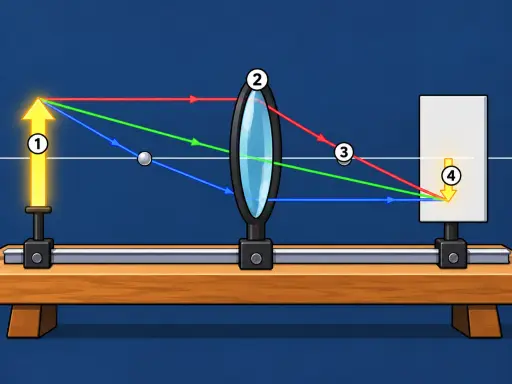
In the picture
- Chloroplast: uses sunlight to build sugars by photosynthesis
- Oxygen bubble: the gas plant cells give off during photosynthesis
- Food particle: organic matter the animal cell takes in from outside
- Mitochondrion: breaks down organic matter to release energy, in plant and animal cells alike
Examples
- A potted plant grows on a sunny windowsill with only water, air and light.
- You eat a sandwich because your cells cannot make their own organic matter.
Key takeaways
- Autotrophs build organic matter from mineral matter using light; heterotrophs must take it in.
- Both plant and animal cells have mitochondria to release energy from organic matter.
Quiz: Plant cells make food, animal cells take it in (Age 15)
-
What makes a plant cell autotrophic?
-
Which cells have mitochondria to release energy from organic matter?
-
Besides light energy, what do chloroplasts use to build sugars?
The answers, each with its explanation, are in the app. This lesson has left the free week, so its quiz is part of the subscription.
Free app, optional subscription
App Store Google Play
Carry on in the app
At least one new illustrated lesson every weekday for your child’s year, with its quiz and a reminder at 6:15 pm.
Your child’s teacher does not use My Enhanced Teacher yet?
Tell them about it