Mon Prof Augmenté
Moons and Planets in Orbit
A moon keeps falling toward its planet, but its sideways speed carries it around instead of into it. The same happens to a planet circling a star.
This picture is part of the full library
Every lesson is open to everyone for 7 days after it is published. This one came out on September 20, 2026: its text stays readable here, and its picture opens with a subscription.
The app is free. A subscription opens every lesson, in every school year.
Age 14: open this week
Browse Age 14

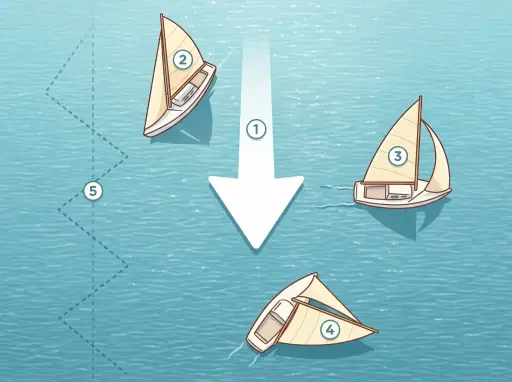
In the picture
- The star at the centre: the body that holds the planet on its path
- The blue planet: a body circling the star
- The small grey moon: a natural satellite circling the planet
- The dotted loop around the planet: the moon’s repeating path
- The dotted loop around the star: the planet’s repeating path
Examples
- The Moon circling Earth about once every 27 days
- Earth circling the Sun once every 365 days
Key takeaways
- A natural satellite stays in orbit because it falls continuously while moving sideways fast enough to keep missing the body it falls toward.
- Every orbit balances gravity pulling inward against sideways motion carrying the body forward.
Carry on in the app
Three questions on this lesson. It has left the free week, so its quiz is for subscribers.
At least one new illustrated lesson every weekday for your child’s year, with its quiz and a reminder at 6:15 pm.
Get the app
Free app, optional subscription
App Store Google Play