Mon Prof Augmenté
How digestion works
Age 12 · Biology

When you eat, food travels from your mouth down to your stomach and then into your small intestine. There it is broken into tiny pieces, and the useful nutrients pass into your blood through tiny finger-like villi.
This picture is part of the full library
Every lesson is open to everyone for 7 days after it is published. This one came out on November 5, 2026: its text stays readable here, and its picture opens with a subscription.
The app is free. A subscription opens every lesson, in every school year.
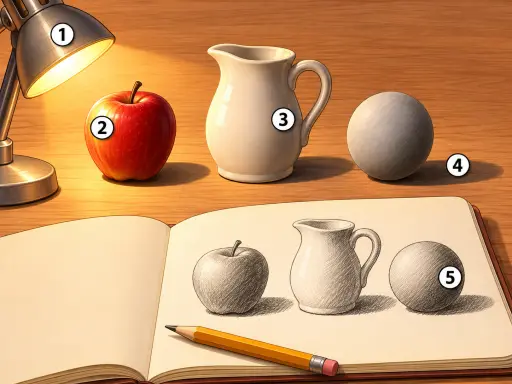
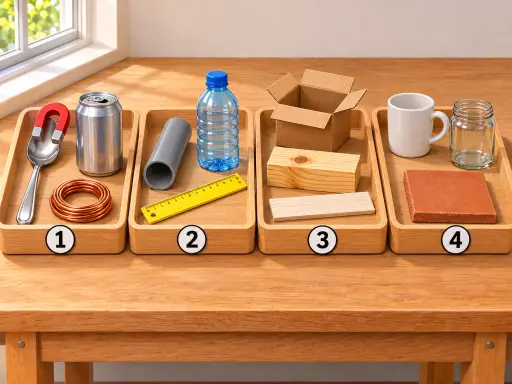
In the picture
- Stomach: a muscular bag that mixes food with acid and starts breaking it down
- Gallbladder: stores bile, a green liquid that helps break up fats
- Small intestine: a long coiled tube where food is broken down fully and nutrients are absorbed
- Villus: a tiny finger-like bump with blood vessels that takes nutrients into the blood
Examples
- A sandwich is chewed, softened in the stomach, then its nutrients are absorbed in the small intestine.
- Energy from your breakfast reaches your muscles because nutrients travel in your blood after absorption.
Key takeaways
- Most nutrients are absorbed in the small intestine, not the stomach.
- Villi greatly increase the surface area so more nutrients can enter the blood.
Quiz: How digestion works (Age 12)
-
Where in the body do most nutrients pass into the blood?
-
What is the job of the tiny finger-like villi in the small intestine?
-
What does the stomach do with food?
The answers, each with its explanation, are in the app. This lesson has left the free week, so its quiz is part of the subscription.
Free app, optional subscription
App Store Google Play
Carry on in the app
At least one new illustrated lesson every weekday for your child’s year, with its quiz and a reminder at 6:15 pm.
Your child’s teacher does not use My Enhanced Teacher yet?
Tell them about it