Mon Prof Augmenté
Salt that keeps eating bronze
Age 17 · Chemistry

Seawater leaves chloride salts deep in the cracks and corrosion layers of metal objects, and even after they dry these salts pull moisture from the air and turn into acid that eats fresh metal. Conservators soak the objects in fresh water for weeks or months, changing the bath again and again, so the salts dissolve and diffuse out.
This picture is part of the full library
Every lesson is open to everyone for 7 days after it is published. This one came out on October 25, 2026: its text stays readable here, and its picture opens with a subscription.
The app is free. A subscription opens every lesson, in every school year.


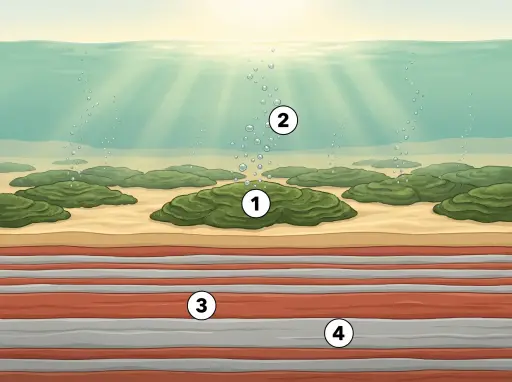
In the picture
- Green crust on the uncleaned half: corrosion layers that trap chloride salts from the sea
- Crust flakes removed: the loose, salt-laden layer taken off by hand
- Fresh-water bath: salts dissolve and slowly diffuse out of the metal into the water
- Salt crystals in cracks: with damp air they form acid that digs new pits around them
Examples
- Cannons and anchors raised from shipwrecks are kept in water tanks until the salt is washed out, because letting them dry would make them crumble
- Cars driven on salted winter roads or parked by the sea rust faster, especially in seams where salt collects
Key takeaways
- Drying a salty metal object does not stop corrosion: chloride salts absorb moisture from humid air and restart it
- Soaking works by diffusion, so the bath is changed until almost no new chloride appears in the water
Quiz: Salt that keeps eating bronze (Age 17)
-
A bronze statue raised from the sea is dried completely and then displayed in a humid room. What is most likely to happen to it?
-
Conservators soak a salty metal object in fresh water and keep changing the bath. When do they know they can stop?
-
Why is the corrosion crust on a metal object recovered from the sea a problem beyond its appearance?
The answers, each with its explanation, are in the app. This lesson has left the free week, so its quiz is part of the subscription.
Free app, optional subscription
App Store Google Play
Carry on in the app
At least one new illustrated lesson every weekday for your child’s year, with its quiz and a reminder at 6:15 pm.
Your child’s teacher does not use My Enhanced Teacher yet?
Tell them about it