Mon Prof Augmenté
Inflatable Wing Canopy
Age 15 · Technology

Two sewn fabric layers form a row of cells. Air entering the front openings fills the cells, and the curved wing turns airflow downward to create upward lift.
This picture is part of the full library
Every lesson is open to everyone for 7 days after it is published. This one came out on September 12, 2026: its text stays readable here, and its picture opens with a subscription.
The app is free. A subscription opens every lesson, in every school year.
Age 15: open this week
Browse Age 15

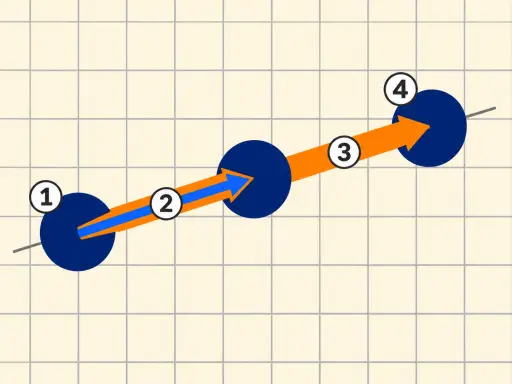
In the picture
- Front opening where air enters.
- Internal cell between the fabric layers.
- Upper curved fabric skin.
- Lower fabric skin near the rear seam.
Examples
- Paraglider wing
- Kiteboarding kite
Key takeaways
- The canopy keeps its shape with air pressure, not a rigid frame.
- Airflow turned downward pushes the wing upward.
Quiz: Inflatable Wing Canopy (Age 15)
-
How does an inflatable wing canopy produce upward lift?
-
What gives an inflatable wing canopy its wing shape?
-
Where does the air that inflates the cells enter?
The answers, each with its explanation, are in the app. This lesson has left the free week, so its quiz is part of the subscription.
Free app, optional subscription
App Store Google Play
Carry on in the app
At least one new illustrated lesson every weekday for your child’s year, with its quiz and a reminder at 6:15 pm.
Your child’s teacher does not use My Enhanced Teacher yet?
Tell them about it