Mon Prof Augmenté
Plant and sea molecules
Age 17 · Nature

Many medicines begin with molecules produced by plants and sea organisms. Once the active molecule is identified, laboratories can synthesise identical copies.
This picture is part of the full library
Every lesson is open to everyone for 7 days after it is published. This one came out on October 7, 2026: its text stays readable here, and its picture opens with a subscription.
The app is free. A subscription opens every lesson, in every school year.
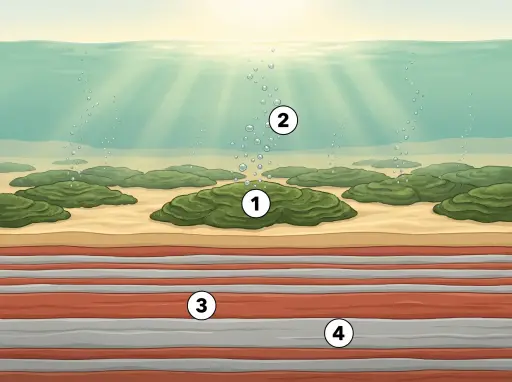
In the picture
- Sea snail shell: a natural source of a molecule
- Moss cushion: a plant source of natural molecules
- Glass flask: a vessel for making a copied molecule
- Ball-and-stick model: the structure of the active molecule
Examples
- Aspirin: based on a molecule from willow bark.
- Morphine: originally taken from the opium poppy.
Key takeaways
- Plants and sea organisms are natural sources of many medicine molecules.
- Once the active molecule is known, labs can make identical copies.
Quiz: Plant and sea molecules (Age 17)
-
According to the card, many medicines begin with molecules produced by which kinds of sources?
-
Once the active molecule has been identified, what can laboratories do?
-
What must be known before laboratories can make identical copies of a medicine molecule?
The answers, each with its explanation, are in the app. This lesson has left the free week, so its quiz is part of the subscription.
Free app, optional subscription
App Store Google Play
Carry on in the app
At least one new illustrated lesson every weekday for your child’s year, with its quiz and a reminder at 6:15 pm.
Your child’s teacher does not use My Enhanced Teacher yet?
Tell them about it