Mon Prof Augmenté
The octave doubles the vibration
Age 15 · Music

An octave is a 2:1 frequency ratio, so the higher note vibrates twice as fast as the lower one. Our ears hear these two notes as the same note at different heights.
This picture is part of the full library
Every lesson is open to everyone for 7 days after it is published. This one came out on November 4, 2026: its text stays readable here, and its picture opens with a subscription.
The app is free. A subscription opens every lesson, in every school year.
Age 15: open this week
Browse Age 15

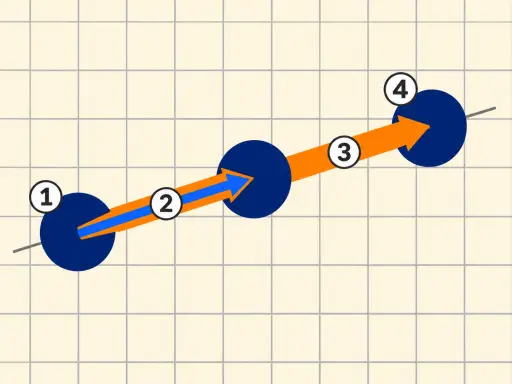
In the picture
- Lower note wave: a few vibrations in a given time
- Higher note wave: twice as many vibrations in the same time
- Lower key: the starting note of the octave
- Higher key: the same note name, one octave up, vibrating twice as fast
Examples
- Tuning A at 220 Hz and then at 440 Hz gives the same note, an octave higher.
- A man and a woman singing the same song together often sing an octave apart.
Key takeaways
- An octave is a 2:1 frequency ratio.
- Double the frequency means the same note, one octave higher.
Quiz: The octave doubles the vibration (Age 15)
-
What is the frequency ratio between two notes that are one octave apart?
-
A note vibrates 200 times per second. How many times per second does the same note one octave higher vibrate?
-
How do our ears hear two notes that are exactly one octave apart?
The answers, each with its explanation, are in the app. This lesson has left the free week, so its quiz is part of the subscription.
Free app, optional subscription
App Store Google Play
Carry on in the app
At least one new illustrated lesson every weekday for your child’s year, with its quiz and a reminder at 6:15 pm.
Your child’s teacher does not use My Enhanced Teacher yet?
Tell them about it