Mon Prof Augmenté
How the Greenhouse Effect Warms Cities
Age 15 · Geography

Sunlight passes through the atmosphere and warms the ground, which sends heat back up as invisible infrared rays. Greenhouse gases in the air bounce much of that heat back down, so the planet warms and crowded coastal cities face heat waves and rising seas.
This picture is part of the full library
Every lesson is open to everyone for 7 days after it is published. This one came out on November 3, 2026: its text stays readable here, and its picture opens with a subscription.
The app is free. A subscription opens every lesson, in every school year.
Age 15: open this week
Browse Age 15
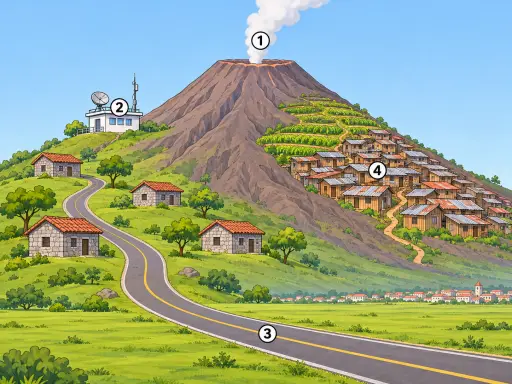
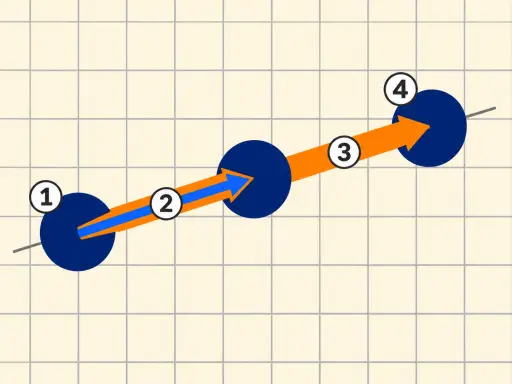
In the picture
- Sunlight: short-wave rays that pass through the atmosphere to the ground
- Heat rising from the warm ground as infrared radiation
- Greenhouse gas molecules: they absorb heat and send much of it back down
- A crowded coastal city: exposed to extreme heat and rising sea levels
Examples
- A car parked in the sun gets hot inside because heat gets in but cannot easily escape.
- Burning petrol, coal and gas adds extra carbon dioxide, and cities like Miami or Jakarta now flood more often.
Key takeaways
- Greenhouse gases like carbon dioxide and methane trap heat near Earth’s surface.
- Dense coastal cities face the double risk of heat waves and sea-level rise.
Quiz: How the Greenhouse Effect Warms Cities (Age 15)
-
What do greenhouse gases like carbon dioxide and methane do?
-
What happens to the heat that rises from the warm ground as infrared radiation?
-
Which double risk do crowded coastal cities face as the climate changes?
The answers, each with its explanation, are in the app. This lesson has left the free week, so its quiz is part of the subscription.
Free app, optional subscription
App Store Google Play
Carry on in the app
At least one new illustrated lesson every weekday for your child’s year, with its quiz and a reminder at 6:15 pm.
Your child’s teacher does not use My Enhanced Teacher yet?
Tell them about it