Mon Prof Augmenté
One Cell Becomes Two

Before a cell divides, it copies every chromosome so there are two matching sets. The sets are pulled to opposite ends and the cell pinches in half, making two daughter cells with the same genetic instructions.
This picture is part of the full library
Every lesson is open to everyone for 7 days after it is published. This one came out on September 7, 2026: its text stays readable here, and its picture opens with a subscription.
The app is free. A subscription opens every lesson, in every school year.
Age 15: open this week
Browse Age 15
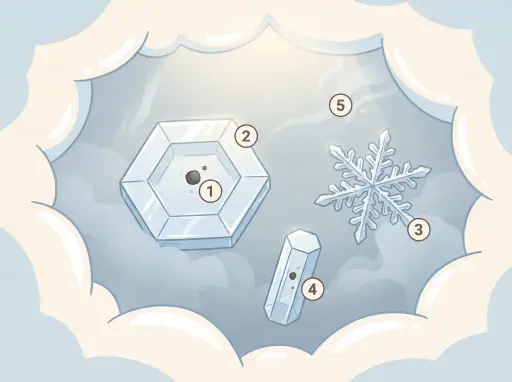
In the picture
- Copied chromosomes lined up down the middle of the cell
- Spindle fibres pulling one full set toward each end
- The pinched waist where the membrane closes inward
- One of the two finished daughter cells, identical to its partner
Examples
- A scraped knee closing up as skin cells divide to fill the gap
- Fingernails and hair growing longer as cells at the root keep dividing
Key takeaways
- Chromosomes are copied first, so each new cell receives a complete set.
- This kind of division makes two cells genetically identical to the original.
Carry on in the app
Three questions on this lesson. It has left the free week, so its quiz is for subscribers.
At least one new illustrated lesson every weekday for your child’s year, with its quiz and a reminder at 6:15 pm.
Get the app
Free app, optional subscription
App Store Google Play