Mon Prof Augmenté
Radar and Satellite Storm Watch
A radar tower sends pulses into rain clouds, while a satellite above watches cloud bands move across a wide area. Together they give near-real-time pictures of where storms are and how they are moving.
This picture is part of the full library
Every lesson is open to everyone for 7 days after it is published. This one came out on September 21, 2026: its text stays readable here, and its picture opens with a subscription.
The app is free. A subscription opens every lesson, in every school year.
Age 13: open this week
Browse Age 13

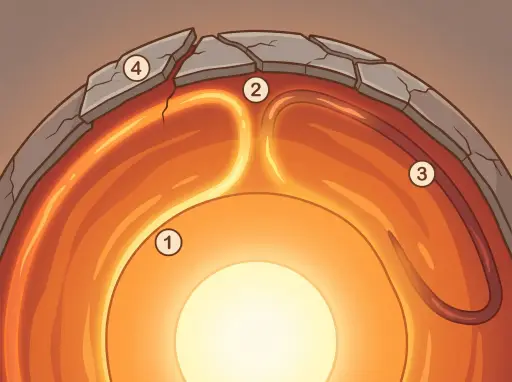
In the picture
- Radar dish: sends pulses along a curved beam
- Curved beam: carries pulses into a rain cloud
- Storm cell: a small area of heavy rain moving along the beam
- Satellite: views swirling cloud bands from above
Examples
- Weather apps that show rain moving toward your town
- Airport forecasts that warn pilots about storms along a flight path
Key takeaways
- Radar measures precipitation nearby by bouncing pulses off rain.
- Satellites track cloud patterns over very large areas.
Carry on in the app
Three questions on this lesson. It has left the free week, so its quiz is for subscribers.
At least one new illustrated lesson every weekday for your child’s year, with its quiz and a reminder at 6:15 pm.
Get the app
Free app, optional subscription
App Store Google Play