Mon Prof Augmenté
Nerve cells passing a message
Age 13 · Biology

Nerve cells are long, branching cells that carry messages around the body. A message travels as a tiny electrical pulse along a branch, and at the narrow gap to the next cell it is handed over by chemical signals.
This picture is part of the full library
Every lesson is open to everyone for 7 days after it is published. This one came out on September 22, 2026: its text stays readable here, and its picture opens with a subscription.
The app is free. A subscription opens every lesson, in every school year.
Age 13: open this week
Browse Age 13
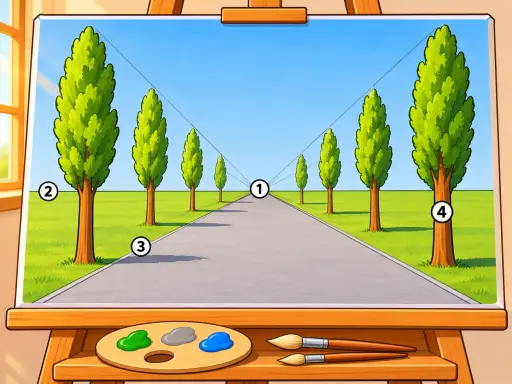

In the picture
- The cell body of the nerve cell: the rounded centre that keeps the cell alive and starts the message.
- The long branch of the nerve cell: the electrical pulse runs along it toward the far end.
- The small sacs at the branch tip: each one holds chemical signal molecules ready to be released.
- The narrow gap between the two nerve cells: the chemical signal crosses this space.
- The receiving branches of the next nerve cell: they pick up the signal and the message carries on.
Examples
- Touching a hot pan: the message races from your hand to your spinal cord in a fraction of a second.
- Picturing a friend’s face: millions of nerve cells send signals along their branches to build that image.
Key takeaways
- A nerve cell carries a message as a tiny electrical pulse along its branch.
- Where two nerve cells meet there is a narrow gap, and the message crosses it as a chemical signal.
Quiz: Nerve cells passing a message (Age 13)
-
How does a message travel along the branch of a nerve cell?
-
What happens to the message at the narrow gap between two nerve cells?
-
What do the small sacs at the tip of a nerve cell’s branch do?
The answers, each with its explanation, are in the app. This lesson has left the free week, so its quiz is part of the subscription.
Free app, optional subscription
App Store Google Play
Carry on in the app
At least one new illustrated lesson every weekday for your child’s year, with its quiz and a reminder at 6:15 pm.
Your child’s teacher does not use My Enhanced Teacher yet?
Tell them about it