Mon Prof Augmenté
Three Painted Faces
Age 13 · Art
A portrait can stay close to a sitter’s real face, soften it into a smoother version, or stretch its features for a stronger effect. All three can still show the same person.
This picture is part of the full library
Every lesson is open to everyone for 7 days after it is published. This one came out on October 12, 2026: its text stays readable here, and its picture opens with a subscription.
The app is free. A subscription opens every lesson, in every school year.
Age 13: open this week
Browse Age 13
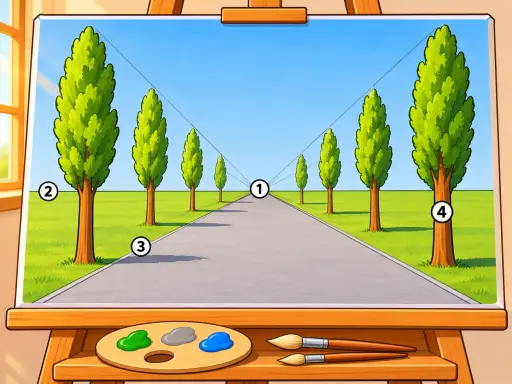
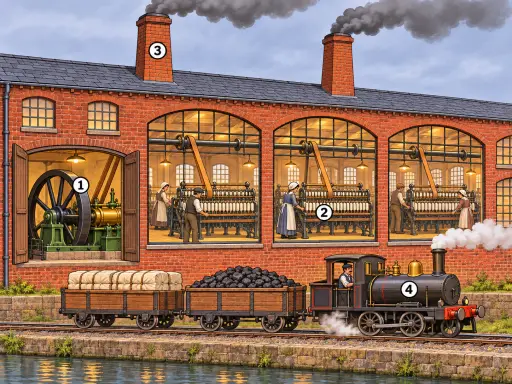
In the picture
- The left portrait’s cheek and loose curl: details kept close to the sitter’s real face.
- The centre portrait’s smooth jaw and round eyes: features softened into an even, calm face.
- The right portrait’s long nose and wide grin: features stretched away from the sitter’s real proportions.
Examples
- A school photo that looks just like you, and a funny drawing that makes your nose huge.
- A cartoon hero with a tiny waist and broad shoulders, and a realistic portrait of the same hero.
Key takeaways
- A portrait can resemble the sitter even when its shapes are changed.
- The gap between likeness and expression is a choice made by the artist.
Quiz: Three Painted Faces (Age 13)
-
According to the card, can a portrait still look like the sitter if the artist changes its shapes?
-
What does the card say happens when an artist softens a sitter’s features?
-
What does the card say the gap between likeness and expression is?
The answers, each with its explanation, are in the app. This lesson has left the free week, so its quiz is part of the subscription.
Free app, optional subscription
App Store Google Play
Carry on in the app
At least one new illustrated lesson every weekday for your child’s year, with its quiz and a reminder at 6:15 pm.
Your child’s teacher does not use My Enhanced Teacher yet?
Tell them about it