Mon Prof Augmenté
Life in a Medieval Lordship
Age 12 · History

In the Middle Ages, a lord lived in a manor house and ruled the village, the fields, the mill and the woods around it. Peasants farmed the land, but they owed the lord work, part of their harvest and fees for using his mill and forest.
This picture is part of the full library
Every lesson is open to everyone for 7 days after it is published. This one came out on October 26, 2026: its text stays readable here, and its picture opens with a subscription.
The app is free. A subscription opens every lesson, in every school year.
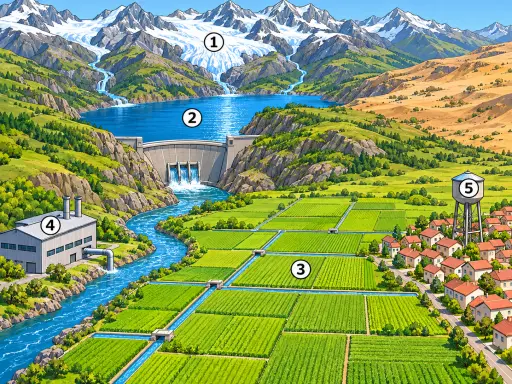
In the picture
- The manor house: home of the lord, who ruled and judged the village
- Strip fields: long narrow plots shared out among peasant families
- The lord’s mill: peasants had to grind their grain here and pay a fee
- The wood: belonged to the lord; peasants paid to gather wood and feed pigs there
Examples
- Paying rent to a landlord to live in a house is a bit like the dues peasants owed their lord.
- Many villages in Europe still have a 'Mill Lane' or an old manor house left from that time.
Key takeaways
- The lordship was the land and people a lord controlled, from about the 11th to the 15th century.
- Peasants owed the lord labour, part of their crops and fees for using his mill, oven and woods.
Quiz: Life in a Medieval Lordship (Age 12)
-
What was a medieval lordship?
-
A peasant family has harvested wheat and needs flour. What did they usually have to do?
-
Besides fees, what did peasants owe their lord?
The answers, each with its explanation, are in the app. This lesson has left the free week, so its quiz is part of the subscription.
Free app, optional subscription
App Store Google Play
Carry on in the app
At least one new illustrated lesson every weekday for your child’s year, with its quiz and a reminder at 6:15 pm.
Your child’s teacher does not use My Enhanced Teacher yet?
Tell them about it