Mon Prof Augmenté
Small and Large Strings
Age 11 · Music

In a string family, size changes pitch. A small violin sounds high, and a big double bass sounds low.
This picture is part of the full library
Every lesson is open to everyone for 7 days after it is published. This one came out on October 12, 2026: its text stays readable here, and its picture opens with a subscription.
The app is free. A subscription opens every lesson, in every school year.
Age 11: open this week
Browse Age 11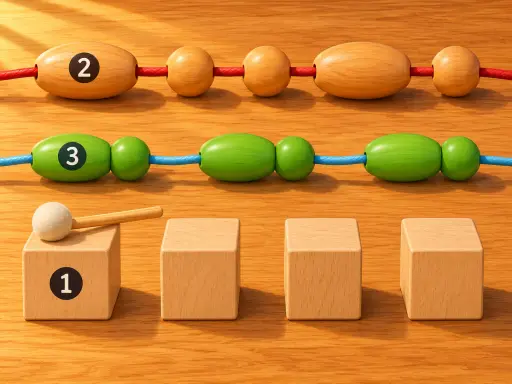
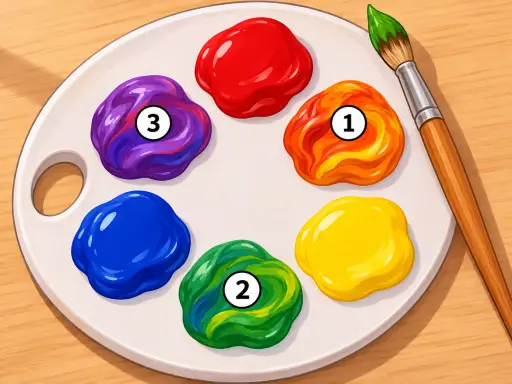
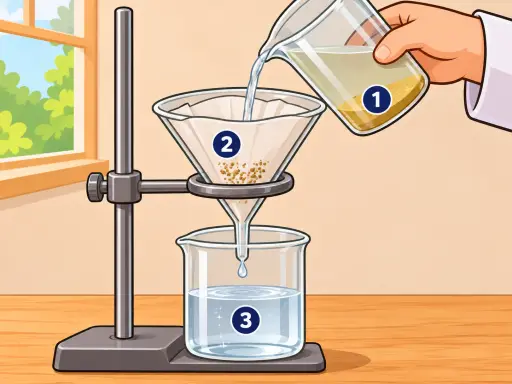
In the picture
- Small violin body: a small wooden body around short strings.
- Violin string: a short, thin string that shakes quickly and gives a high note.
- Double bass body: a very large wooden body around long strings.
- Double bass string: a long, thick string that shakes slowly and gives a low note.
Examples
- A ukulele sounds higher than a guitar because it is smaller.
- A small drum sounds higher than a large drum.
Key takeaways
- Smaller instruments usually make higher notes.
- Larger instruments usually make lower notes.
Quiz: Small and Large Strings (Age 11)
-
In a string family, what does the size of an instrument change?
-
Which of these usually makes higher notes?
-
Why does a double bass make a low note?
The answers, each with its explanation, are in the app. This lesson has left the free week, so its quiz is part of the subscription.
Get the app
Free app, optional subscription
App Store Google Play
Carry on in the app
At least one new illustrated lesson every weekday for your child’s year, with its quiz and a reminder at 6:15 pm.
Your child’s teacher does not use My Enhanced Teacher yet?
Tell them about it